We build experiences people want to share.
STRINGER STUDIO WEBSITE COMING SEPT 2026
Stringer Studio works at the intersection of brand, experience, and place.
Twenty years of making people excited about brands, products, services, spaces, causes, and ideas. Sometimes the work is serious. Sometimes it is fun. Often it is both. The form follows the problem, and we take time to figure out which form that is before we build anything.
Our Work.
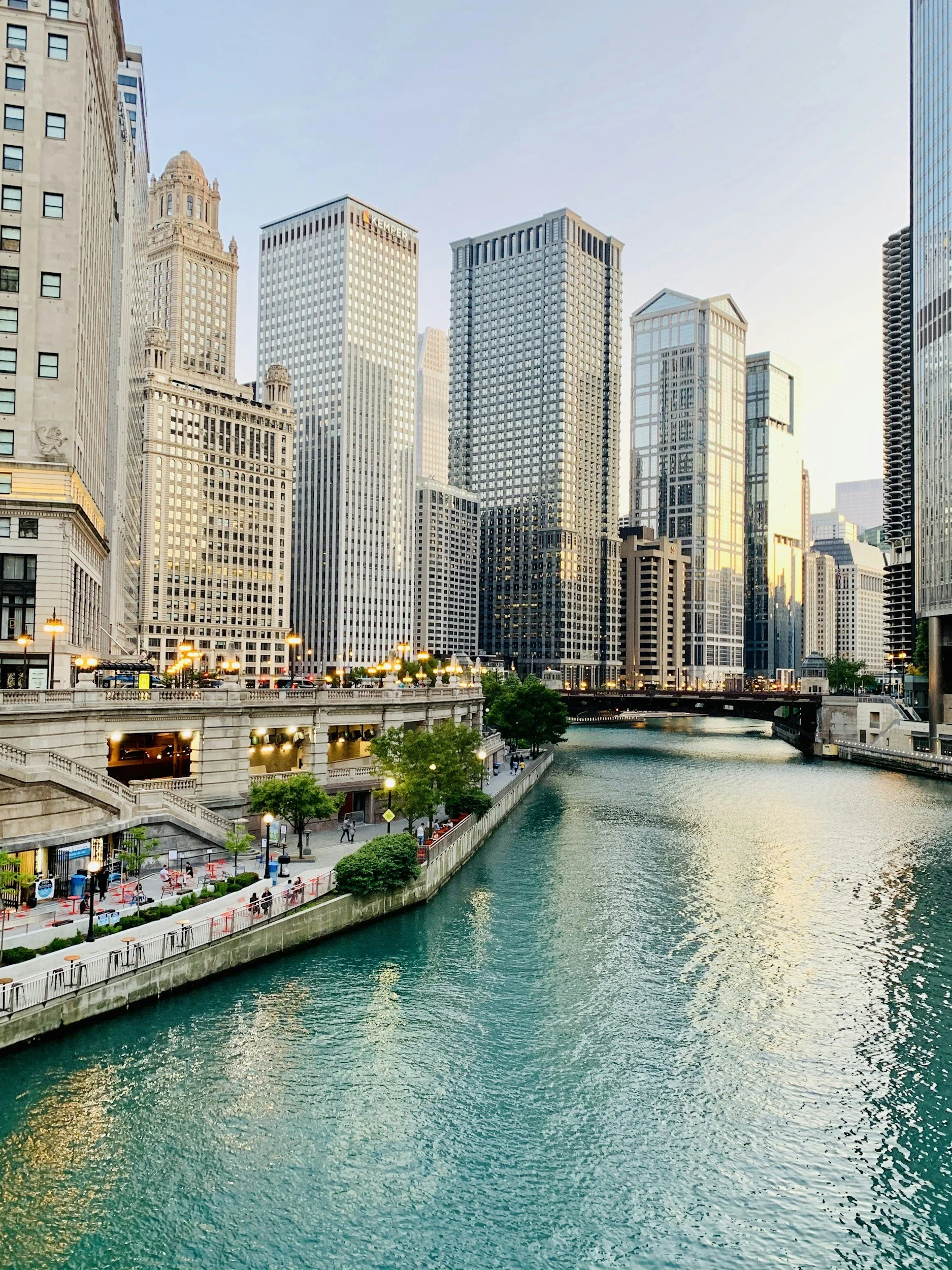
We have spent twenty years in Chicago doing the work that puts people in rooms together, in spaces they remember, behind brands they believe in. We have helped open restaurants and neighborhood institutions, supported local nonprofits and civic organizations, expanded the reach of local television and media, and built global brands from the inside out. The through-line is always the same: make something worth showing up for, and make it worth coming back to. We read the situation before we prescribe anything. We use the right tool for the moment. Not every problem is a nail.
WHAT WE KNOW
The tool follows the moment. The strategy follows the person. The execution follows the strategy. Nothing is a default.
-
Strategy is only useful when it becomes something people can feel. We build the thinking that determines what an experience should do, for whom, and what it needs to say before a single element is designed. That strategy governs everything: a brand system, a public activation, a service model, a restaurant opening, a television program. We have done all of these. The work starts the same way every time: a clear read of the moment, the audience, and what the space between them requires.
-
Brand strategy without execution is a document. We carry the position all the way through: into the identity system, the service model, the internal culture, the organizational structure that makes it executable. We have built brand platforms for global acquisitions and helped neighborhood institutions figure out what they are. The form varies. The discipline is the same.
-
We design what happens in a space so that people want to be there, come back, and bring someone else. That is the work: understanding the community the space is meant to serve, programming with them in mind, and curating the vendors, experiences, and moments that make the visit worth having. We have worked in hospitality, civic programming, television, and nonprofit campaigns. The question we always start with is the same: who is this actually for?
-
We take time to understand the tools available before we reach for any of them. That is not a hedge. It is the practice. We have directed AI readiness strategy for enterprise platforms, built governance frameworks for AI systems that carry a brand into conversations no human will ever see, and worked on the question of what happens when a technology still functions but no longer serves the person it was built for. We bring that thinking to any engagement where technology is part of the solution, and we will tell you when it is not.
Three Steps. No Shortcuts.
1. Read the situation.
Before we recommend anything, we diagnose. We map the organization, the audience, the category, and the moment. We look for the Value Gap — the specific friction between what an organization believes about itself and what it can actually execute. What comes out is a clear read of what is actually true, and what to build from it.
Stakeholder Interviews
Diagnostic Audit
Zone Report
2. Shape what it needs.
Strategy becomes form. We design the experience, the brand platform, the activation, or the framework the situation requires. We do not arrive with a preferred answer. The work we have done in Chicago — from restaurant openings to civic programming to global brand repositioning — has always started with listening before proposing.
Strategic Platform
Creative Direction
Prototype or Pilot
3. Build it to last.
We stay through delivery. Owning quality, reading what changes, and leaving behind something the organization can run without us. That is what built to last actually means.
Full Delivery
Quality Oversight
Transition Planning